Exploring Architectural Marvels Around the World: A Fusion of Culture and Design
Welcome to a captivating journey that merges the allure of global travel with the artistic realm of architecture. As we embark on this adventure, we'll not only explore fascinating destinations but also delve into the architectural wonders that define them. Join us as we combine the love for discovering new places with a deep appreciation for architectural brilliance, all under the umbrella of the renowned "Architecture News & Views from Ireland."
As travelers, we often find ourselves drawn to the unique architectural landscapes that characterize different regions of the world. From towering skyscrapers that reach for the heavens to ancient structures that stand as testaments to civilizations past, architecture speaks the language of culture, history, and innovation.
From Dublin to Dubai: A World of Architectural Diversity
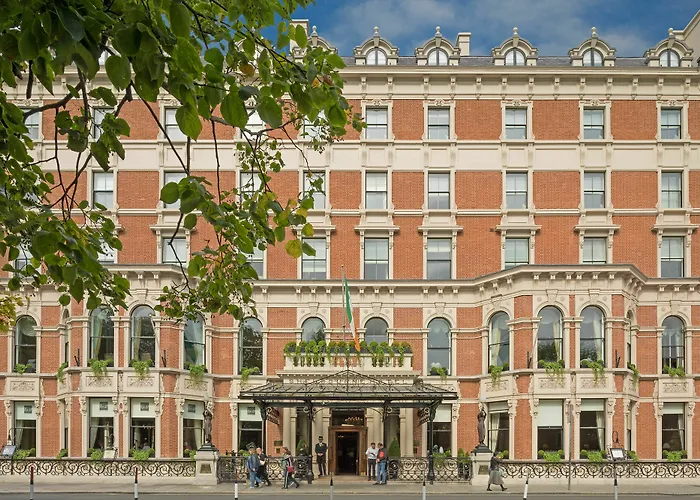
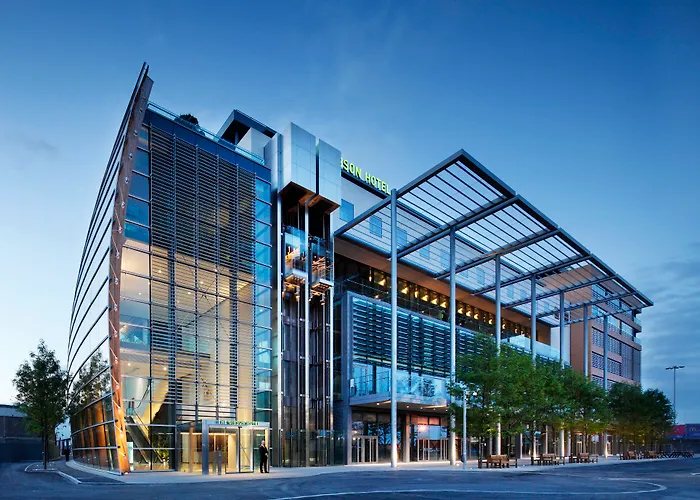
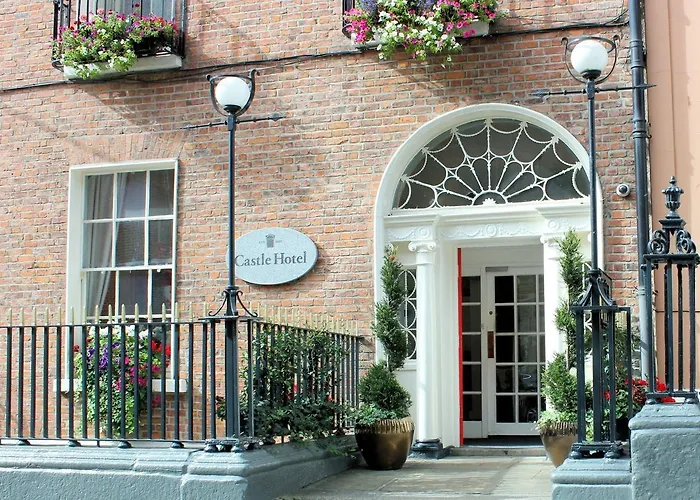
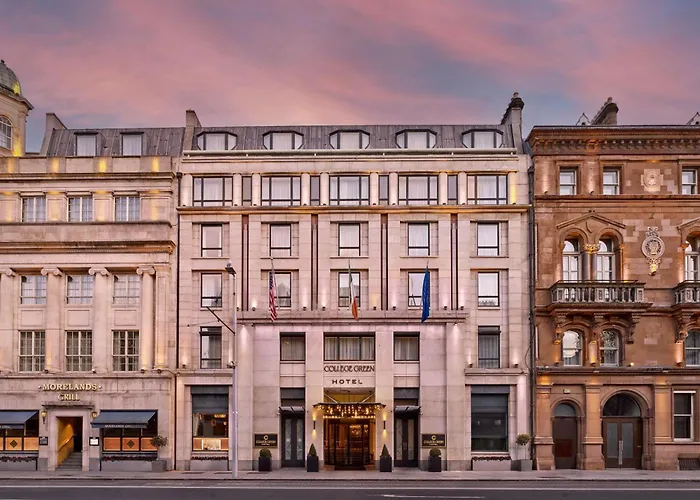
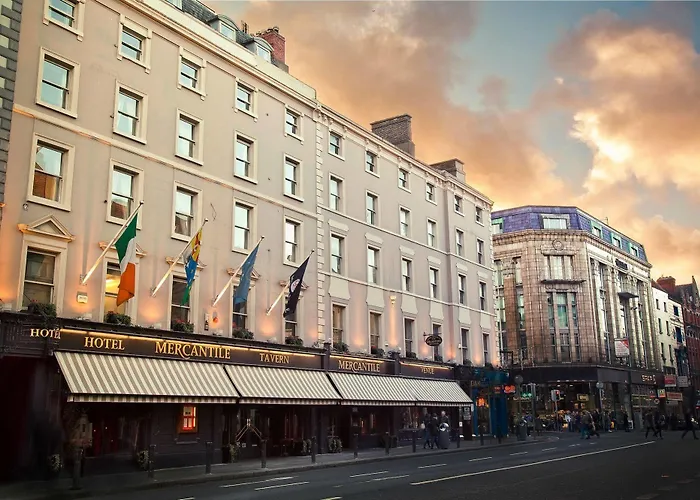
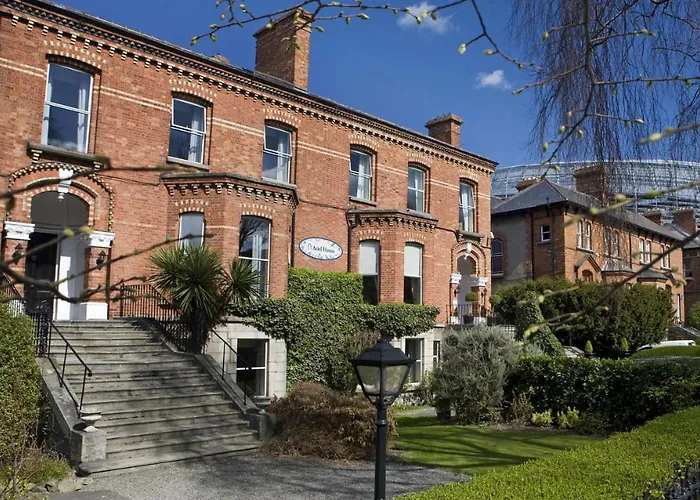
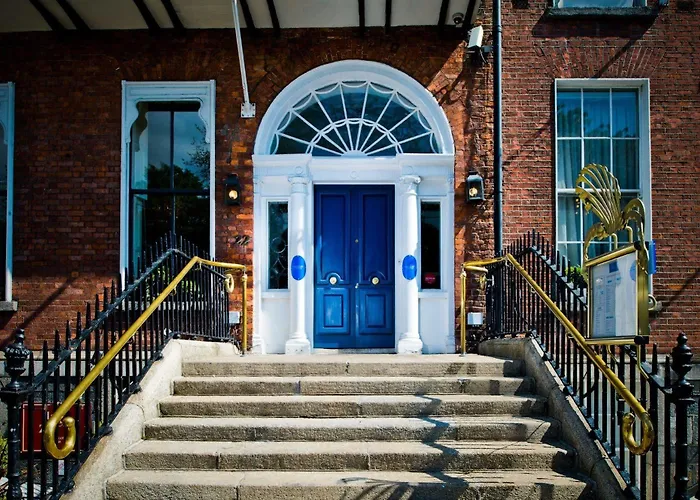
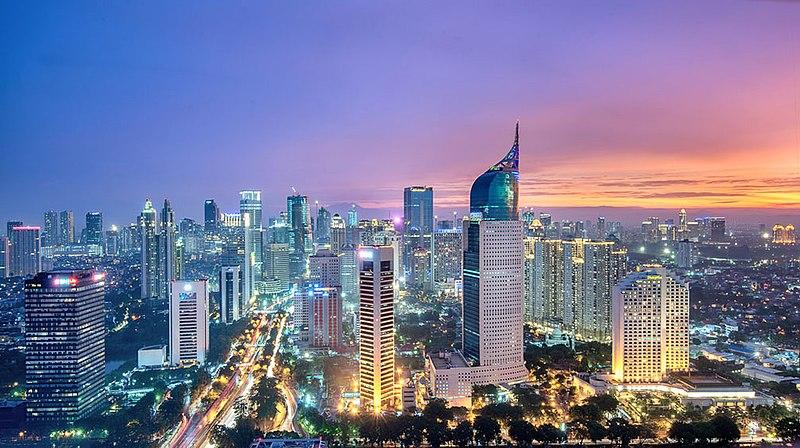
Our voyage will take us across continents, showcasing iconic landmarks that have left their indelible mark on the urban fabric of cities. In Dublin, the fusion of classic Georgian architecture with modern design creates a harmonious blend of old and new. Meanwhile, Dubai's skyline is a showcase of audacious futuristic designs, with structures that defy gravity and redefine possibilities.
At the heart of our exploration lies the intersection of Irish architectural perspectives and global inspiration. The "Architecture News & Views from Ireland" platform brings a unique lens to architectural discourse, bridging the gap between local expertise and international trends. As we journey through different countries, we'll reflect on how architectural narratives evolve across borders and how they reflect the identity of their creators.
Imagine walking through the cobbled streets of Rome, the grandeur of the Colosseum looming before you. With an architectural eye, you'll not only marvel at its imposing structure but also consider the engineering marvels that allowed its construction centuries ago. From the intricate patterns of Moorish tiles in Spain to the sleek lines of contemporary skyscrapers in New York, every destination becomes a canvas of architectural stories waiting to be unveiled.
Embracing the Past, Celebrating the Future
As we traverse through different places, we'll witness the convergence of tradition and innovation. Ancient temples in Cambodia coexist with modern art galleries in Seoul. In Barcelona, the architectural legacy of Antoni Gaudí stands as a testament to boundless creativity. It's a reminder that while each destination has its unique charm, the shared language of architecture allows us to connect the dots between cultures and eras.
Our journey through architectural wonders around the world, in harmony with the spirit of "Architecture News & Views from Ireland," reminds us of the power of design to connect us across borders. Through the lens of architecture, we find common ground, celebrate diversity, and gain fresh perspectives on the places we visit. So, whether you're an architect by profession or simply an admirer of beauty, join us in exploring the world's most captivating destinations through the prism of architectural brilliance.
Our Partners