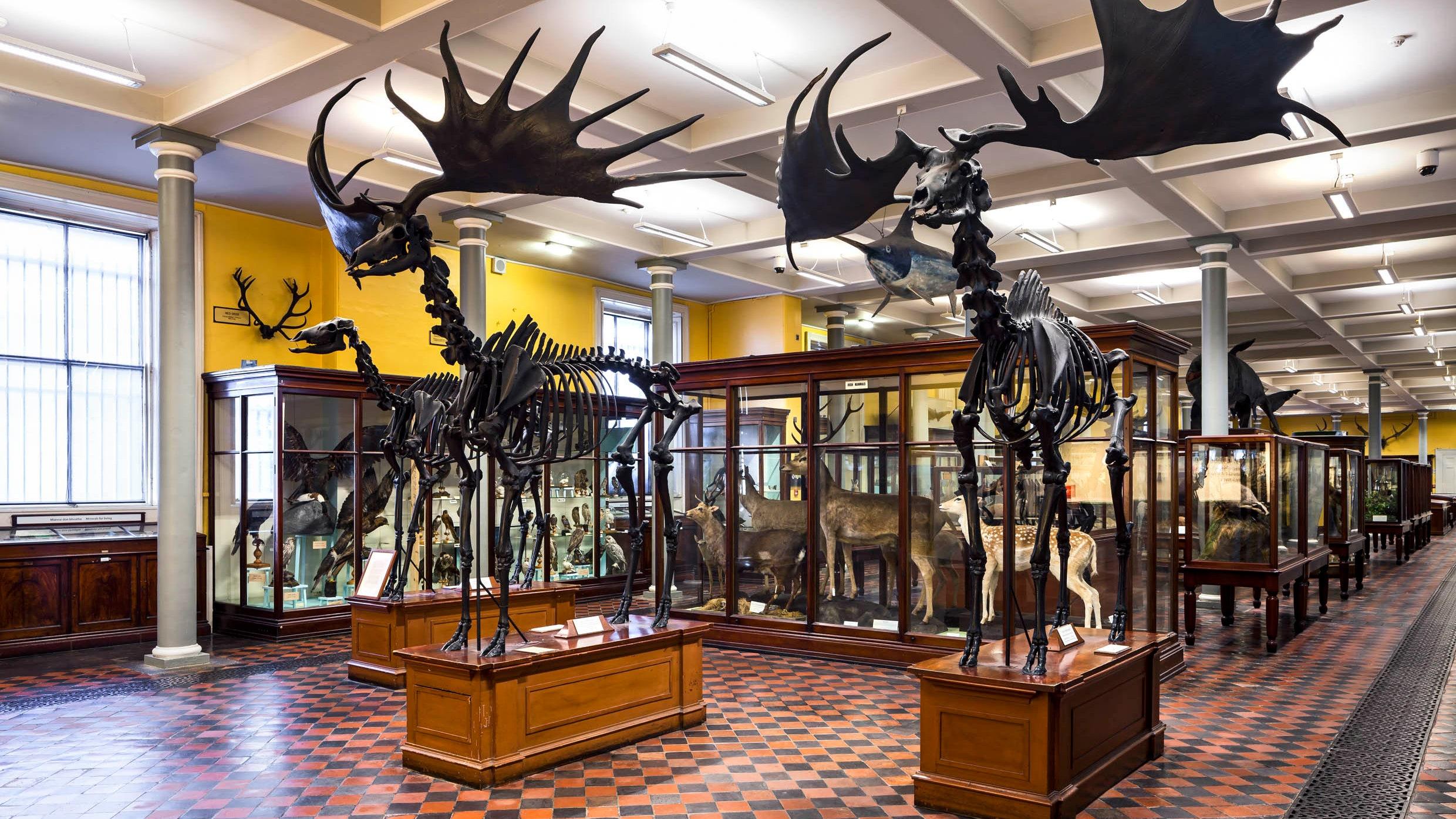
Delving into the rich tapestry of County Dublin's architecture offers an insightful journey through Ireland's historical eras and aesthetic progressions. With every corner teeming with structures that narrate stories of cultural evolution and industrial advancement, we are committed to cataloging the essence of Dublin's built heritage. Through persistent research and collective efforts, our content will expand, uncovering all the sectional insights of this region's architectural milestones.
At the heart of County Dublin lies its vibrant city center, a sandbox showcasing architectural diversity from medieval times to the contemporary era. Here, one can witness iconic edifices that echo the voices of yesteryears mingled with the symphonies of modern development. A rich repository for enthusiasts and scholars alike, our guide encompasses the intricate details that define the streetscape and skyline of Dublin's bustling hub.
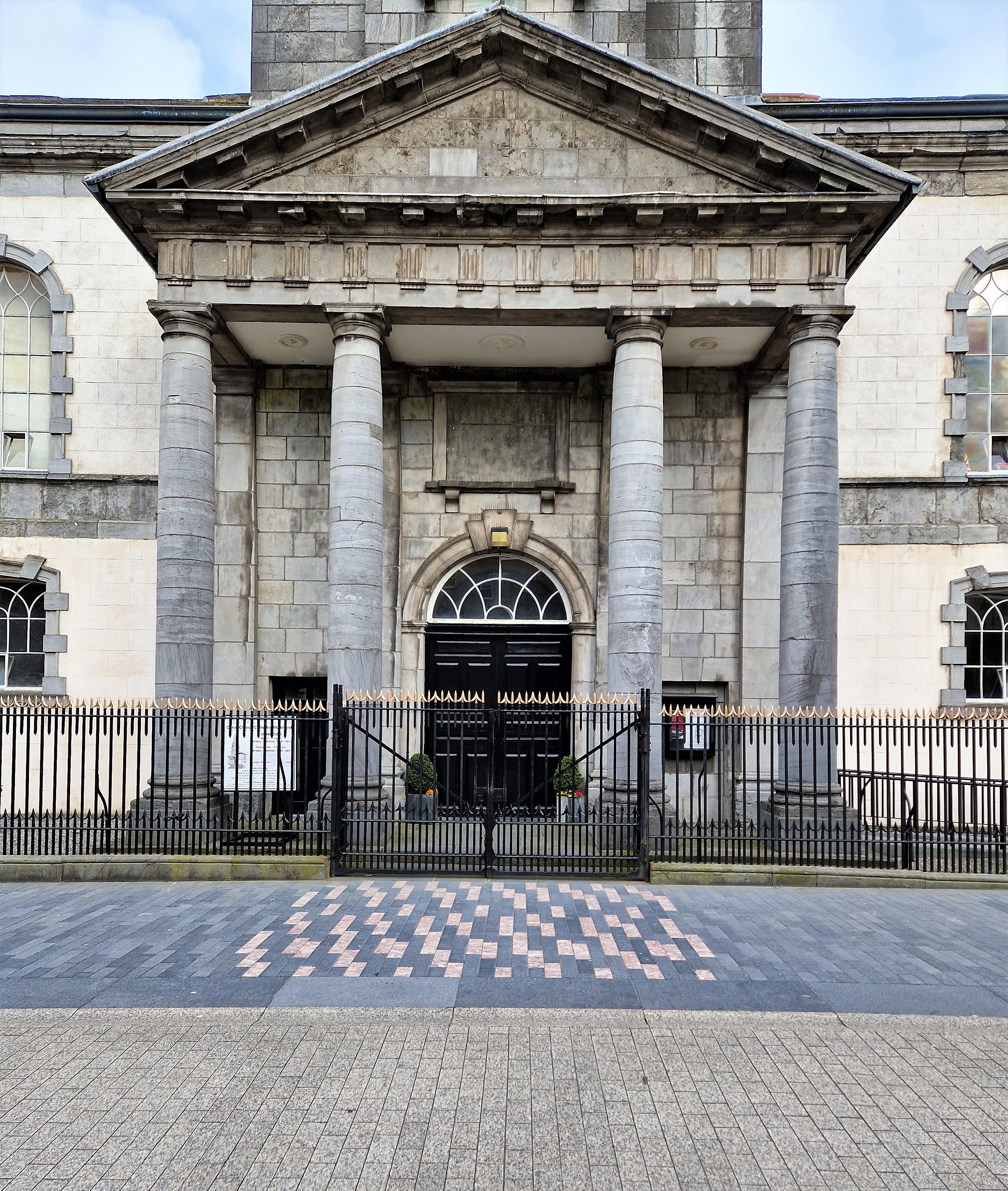
Moving beyond the city center, one can encounter the serene solemnity of Chapelizod Catholic Church, a work of John Bourke that dates back to 1845. Similarly, the Archbishop's Palace in Drumcondra represents ecclesiastic power and architectural poise resonating through the 19th century.
The coastal expanse of Dun Laoghaire is fortified with the contemporary Ferry Terminal and DART Station, gateways that connect both locals and visitors with the heart of Ireland's capital. Meanwhile, places of worship such as St James' Church and the Church of Ireland on James's Street & Inchicore stand testament to enduring sacredness amidst urban transition.
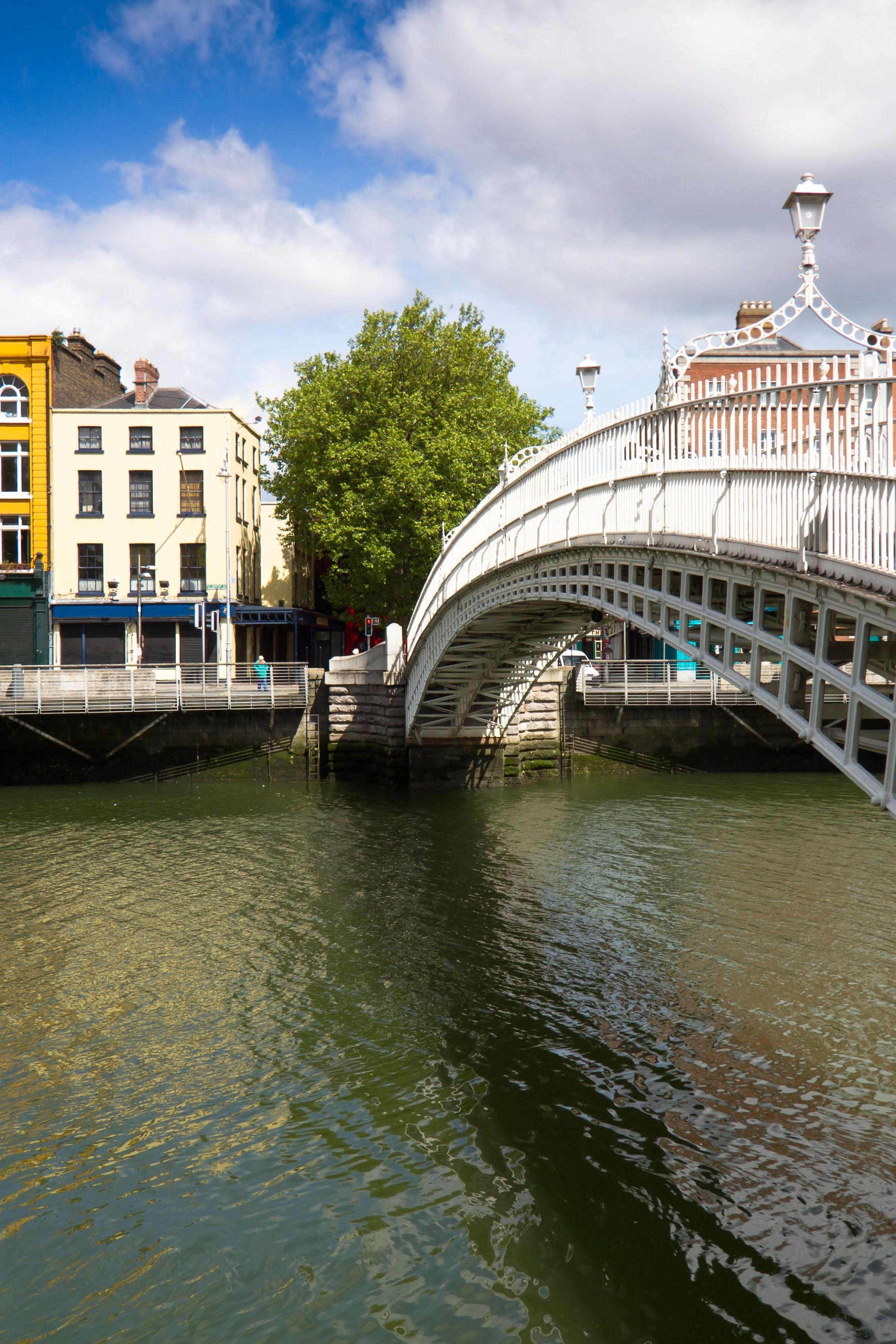
The transformation of Liffey Quays is marked by the Millennium Footbridge and Liffey Boardwalk—structures that blend functionality with aesthetic allure. Ranelagh, known for its grand Northbrook Road Asylum by W.G. Murray, bridges the gap between a history imbued with care and a present focused on inclusivity.
In Smithfield & Stoneybatter, community life pulsates through venues like Delaney's Pub. Yet, it's the Smithfield Village and Plaza developments that showcase the area's adaptive character, embracing both history and the dynamism of modern town planning.
The architecture of County Dublin is not merely a static display of Ireland’s built environment; it is a living museum that continuously engages with the present while cherishing its past. Whether you're an avid architectophile or simply enchanted by Ireland's charm, traversing the buildings of Dublin reveals layers of design, culture, and ingenuity. Our platform, an unending expedition within the virtual scape, is dedicated to uncovering each story embedded within the stones and gables of Ireland's architectural artworks.
As we unfold the pages of Dublin's architectural anthology, we invite travelers and locals alike to embark on a tangible exploration of the region’s iconic buildings. Join us on a quest, where every façade and cornerstone is a chapter of history, every street a narrative of progress, and every building an invitation to journey through time. When travel meets history, the experiences etch memories that last a lifetime. Commence your architectural exploration with Archeire's guide and let the buildings of Ireland become waypoints in your personal odyssey.